Headlines about toxic mold can make any spot of growth feel like an emergency. The phrase gets used loosely, and it often causes more worry than clarity. This guide sorts out what toxic mold means, what testing can and cannot tell you and how Joplin homeowners can respond calmly and sensibly when they find mold at home.
Is toxic mold a real category of mold?
Toxic mold is not a scientific category. The phrase usually refers to molds that can produce compounds called mycotoxins under certain conditions. Seeing a particular mold does not tell you whether those compounds are present or affecting anyone. Any indoor mold growth should be removed and its moisture source fixed. For health questions, talk with a doctor, and use lab testing if you want to know which molds are present.
Where the Term Comes From
Some molds can produce substances called mycotoxins under certain conditions. Over the years, that fact turned into the shorthand toxic mold, often attached to dark molds that grow on very wet building materials. News stories and online articles picked up the phrase, and it became a common search term.
The trouble is that the label suggests a clear line between safe and dangerous molds that does not really exist. Whether a mold produces those compounds depends on the species, the material it is growing on and the conditions around it. Seeing a particular mold does not tell you whether it is producing anything or whether anyone is affected. That is why most mold professionals focus on removing growth and fixing moisture rather than sorting molds into toxic and non-toxic groups.
What Testing Can Tell You
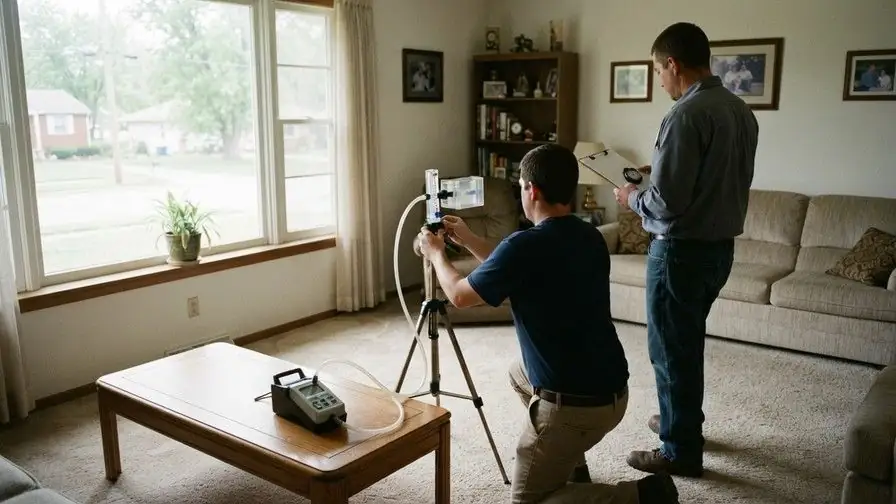
Lab testing can identify which molds are present in a sample. Common methods include:
- Air samples: collected with a pump and compared to an outdoor sample
- Surface samples: swabs or tape lifts taken from visible growth
- Bulk samples: small pieces of material sent to the lab
Results show the types and relative amounts of mold found. They can confirm hidden growth, document conditions or give peace of mind. What testing usually does not do is change the cleanup method. Remediation follows the same steps regardless of species. Before paying for testing, ask the provider how the results would change their plan. If someone in the household has a specific medical concern, testing may be more useful, and their doctor may have guidance on next steps.
Responding Calmly and Sensibly
If you find mold, start with the basics. Note how large the area is, what material it is growing on and where the moisture might be coming from. Avoid disturbing large patches yourself. Keep the room closed if you can, and turn off fans that blow across it.
For small spots on hard surfaces, fixing the moisture and cleaning with soap and water may be enough. For larger areas or growth on drywall, insulation or carpet, have a provider look at it. They can explain the scope, set up containment and remove affected materials safely. For questions about health effects, talk with your doctor rather than relying on online claims. A calm, step-by-step approach usually leads to a better result than a rushed reaction to a frightening headline.
Facts Over Fear
Toxic mold makes for alarming headlines, but the practical response is the same for any indoor mold: find the moisture, remove the growth and keep the area dry. Testing can identify mold types if that helps you. Our toxic mold removal page explains how cleanup is handled, and one call connects you with an independent provider serving Joplin.
Frequently Asked Questions
Should I test for toxic mold before cleanup?
Testing is optional for most jobs, because the cleanup method does not depend on the species. It can be useful for documentation, peace of mind or when someone in the house has a medical concern. Ask the provider whether testing would change their plan before deciding.
Can a home test kit tell me if I have toxic mold?
Home kits can show that mold spores are present, but spores exist in nearly every home. Many kits do not compare to outdoor air or explain what the results mean. A provider who takes samples and explains the lab results can give you a clearer picture.
Who should I ask about health effects of mold?
Talk with your doctor about any health concerns related to mold exposure. A mold provider can find and remove growth and explain the work, but medical questions are outside their role. Share any lab results with your doctor if they would find them helpful.