If you have never had a mold inspection, it can be hard to know what you are paying for. An inspection is mostly a search for moisture, because mold follows water. The inspector looks, measures and asks questions, then tells you what they found and what they recommend. This guide walks through a typical visit to a Joplin house so you know what to expect from start to finish.
What happens during a home mold inspection in Joplin?
A home mold inspection in Joplin starts with questions about what you noticed and any past leaks. The inspector then checks the area of concern and follows signs of moisture, using a moisture meter and sometimes a thermal camera. They look under sinks, around tubs, in the attic and crawl space. Samples may be taken if growth is hidden or documentation is needed. You get a summary and recommended next steps.
The First Conversation
An inspection starts before the inspector picks up a tool. They ask what made you call. Did you notice a smell, a stain, visible growth, or a leak? When did it start? Have there been roof repairs, plumbing work or flooding in the past? Does anyone in the house have symptoms or health concerns they are worried about?
Your answers shape the visit. A musty smell in a closet points toward hidden moisture in an exterior wall or the crawl space below. A stain on an upstairs ceiling points toward the attic or a bathroom above. A history of basement flooding suggests checking lower walls and stored items. The more detail you share, the more focused the inspection can be. It helps to jot down dates and observations before the visit so you do not forget anything in the moment.
Looking and Measuring
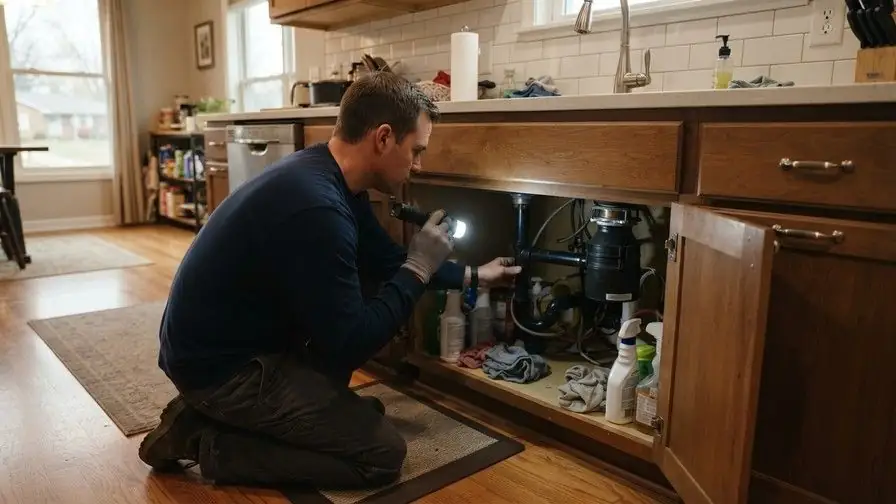
Next comes the hands-on part. The inspector walks through the area of concern and nearby rooms, looking for staining, peeling paint, warped materials, condensation and visible growth. They check places where water tends to hide: under sinks, behind toilets, around tubs and showers, near the water heater and washing machine, and along exterior walls.
A moisture meter is the most important tool. Pressed against drywall, wood or subfloor, it shows whether the material is damp, even when it looks dry. Some inspectors also use a thermal camera, which shows temperature differences that can signal moisture. The attic and crawl space are often part of the visit, since problems there show up indirectly in living spaces. By the end, the inspector should have a rough map of where moisture is present and where growth is likely.
Samples, Results and Next Steps
Not every inspection includes samples. If growth is visible and the cause is clear, sampling may not change the recommendations. When the source is hidden, when documentation is needed, or when you want a baseline before remediation, the inspector may take air samples, surface swabs or tape lifts. These go to a lab, and results usually arrive later.
At the end of the visit, the inspector explains what they found. That might be a simple fix, such as improving ventilation and cleaning a small area, or a recommendation for remediation with a defined scope. Ask for a written summary if you need one for a sale, purchase or insurance claim. Keep it with your home records for future reference, along with any photos and invoices.
Preparing for Your Inspection
An inspection is the clearest way to find out whether you have a mold problem and what is causing it. Make a note of what you have noticed, clear access to the attic and crawl space, and think about whether you need a written report. Our mold inspection page has more detail, and a quick call connects you with one independent provider serving Joplin.
Frequently Asked Questions
Should I be home during the mold inspection?
It helps. Being there lets you answer questions, point out problem areas and hear the findings firsthand. If you cannot be home, arrange access with the provider ahead of time and ask them to call you afterward to go over what they found and what they recommend.
Will the inspector open my walls?
Usually not without asking. Most inspections rely on visual checks, moisture meters and sometimes thermal cameras. If readings suggest hidden growth, the inspector may suggest a small inspection hole or a wall cavity air sample. They should explain why and get your approval before doing anything invasive.
How do I read lab results from mold samples?
Lab results usually list the types of mold found and their counts, often compared to an outdoor sample taken at the same time. Indoor counts much higher than outdoor counts, or types found inside but not outside, can point to indoor growth. Ask the inspector to explain the numbers in plain language.