Cleaning bathroom mold is easy enough. Keeping it from coming back is the hard part. If you scrub the grout every few weeks only to see spots return, the room is telling you that moisture is not leaving. This guide covers the habits and fixes that help Joplin homeowners keep bathrooms dry and mold-free, and the signs that point to a problem behind the walls.
How do I keep mold from coming back in my bathroom?
Keep bathroom mold from returning by removing moisture after every shower. Run an exhaust fan that vents outside until the room is dry, not just until the mirror clears. Squeegee or wipe shower walls, hang towels to dry and keep the door open afterward. Repair cracked caulk and grout so water cannot get behind tile. If mold keeps returning anyway, have the wall checked for a hidden leak.
Ventilation Comes First
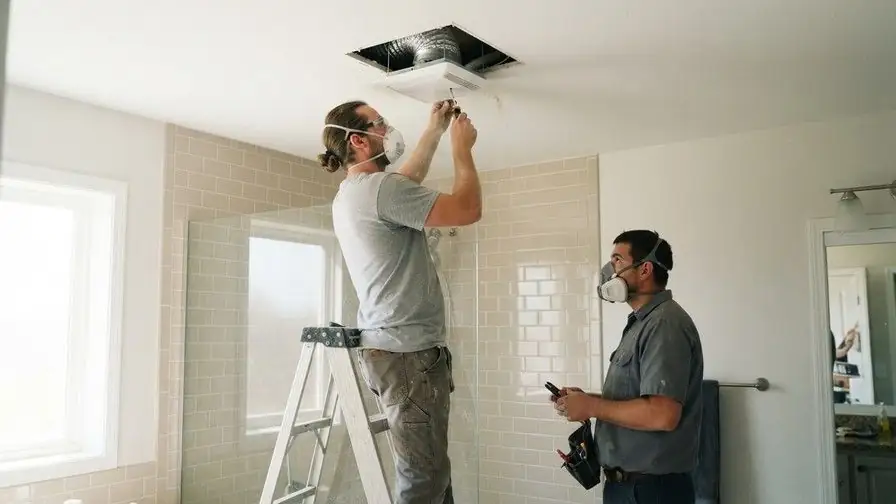
Most bathroom mold comes down to moisture that stays in the room too long after a shower. An exhaust fan is the main tool for removing it, but many fans are too small, too noisy to run long or vent into the attic instead of outside. Some are simply not turned on.
Run the fan during every shower and for a good while afterward, until the walls and mirror are dry. A timer switch makes that easy. Check that the fan actually moves air: hold a tissue near the grille and see whether it gets pulled toward it. Check where the duct ends; it should exit through the roof or an outside wall, not into the attic. If the fan is weak or vents poorly, replacing or rerouting it is often the single biggest improvement you can make.
Daily Habits That Help
Small habits add up in a room that gets wet every day:
- Squeegee or wipe down shower walls and glass after use
- Hang towels and bath mats to dry fully, not in a heap
- Leave the shower curtain spread out so it can dry
- Keep the bathroom door open after showers when possible
- Wash fabric curtains and mats regularly
- Keep shampoo bottles off the tub ledge so water does not pool underneath
These steps take only a minute or two but reduce how long surfaces stay damp. Combined with good ventilation, they make it much harder for mold to settle in. If spots keep coming back even with these habits, the cause may be a hidden leak, a fan that vents into the attic or moisture behind the tile, and that is the point where a provider should take a look.
Signs of a Problem Behind the Wall
Sometimes mold keeps coming back despite good habits and a working fan. That usually means water is getting behind the surface. Watch for cracked or missing grout, caulk that has pulled away from the tub, tiles that sound hollow or feel loose, paint that bubbles or peels on nearby walls and a floor that feels soft near the tub or toilet.
Leaks from the shower valve, supply lines, drain or toilet seal can soak the wall cavity or subfloor without showing on the surface. A musty smell that lingers after cleaning is another clue. If you notice these signs, have the area checked. A provider can use a moisture meter to find hidden dampness and recommend whether the wall needs to be opened.
A Bathroom That Stays Dry
Keeping bathroom mold away comes down to moving moisture out quickly and keeping water from getting behind tile and caulk. If mold keeps returning anyway, the problem may be hidden. Our bathroom mold remediation page explains what a provider does in that case, and a call puts you in touch with one independent mold company serving Joplin.
Frequently Asked Questions
Is it okay to clean bathroom mold with vinegar?
Vinegar can help clean small spots of surface mold on grout and tile. It will not reach growth behind tile or inside drywall. Whatever cleaner you use, ventilate the room and never mix cleaning products. If mold keeps returning, fixing the moisture source matters more than which cleaner you choose.
How often should I replace bathroom caulk?
Replace caulk when it cracks, pulls away from the tub or shower or shows mold that will not clean off. Depending on use and quality, that may be every few years. Remove the old caulk completely and let the area dry before applying new caulk, or mold can grow under it.
Why does mold grow on my bathroom ceiling?
Steam rises and settles on the ceiling, which is often the coolest surface in the room. If the fan is weak or not run long enough, that moisture stays put. Ceilings above showers on exterior walls or under unheated attics are especially prone. Better ventilation is usually the fix.