Finding mold in your house sets off a lot of questions at once. Who should look at it? How much will be torn out? Can the family stay home? A little planning makes the process calmer. This guide walks through the steps Joplin homeowners can take before, during and after a removal job, so you know what to expect and what to ask when the provider arrives.
How should I plan for mold removal in my Joplin home?
Plan for mold removal by first noting where the growth is, when you noticed it and any leaks nearby. Fix or stop the water source if you can. Clear a path to the area, move valuables you can reach without disturbing growth, and plan for the room to be sealed off for a while. Ask the provider what will be removed, how the area will be contained and whether rebuilding is included.
Start With the Water
Every mold problem has a moisture source behind it, and removal only lasts if that source is fixed. Before you call, think about what might be feeding the growth. Is there a pipe under the sink that drips? Did a storm damage the roof this spring? Does the bathroom fan actually vent outside? You do not need to solve the puzzle yourself, but sharing what you know helps the provider plan.
If the source is obvious and simple, such as a leaking supply line, shutting off the water or calling a plumber before the mold visit saves time. If the source is not clear, the provider will look for it during the visit with a moisture meter and a careful look around the affected area. Either way, expect the conversation to start with water rather than with the mold itself.
Preparing the House
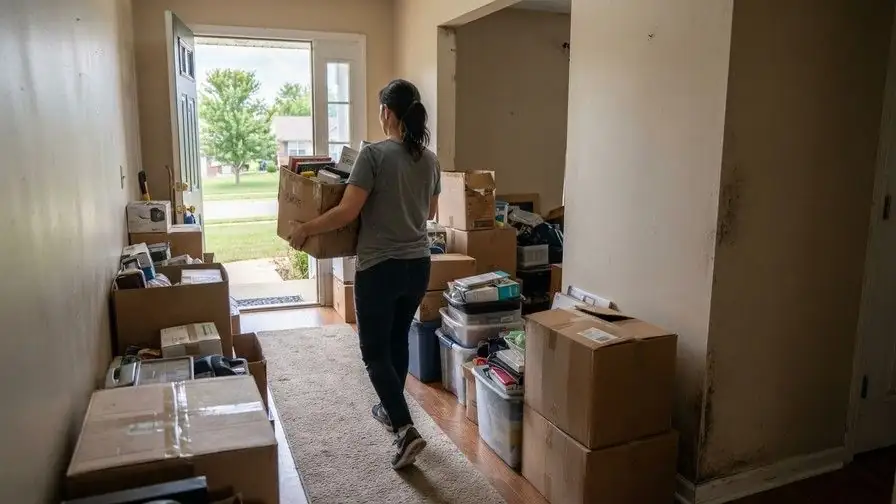
A few simple steps make removal day easier for everyone. Clear a path from the nearest door to the affected room so equipment can come through without bumping furniture. Move small valuables, photos and electronics away from the area if you can reach them without touching the growth. Leave the moldy material itself alone; scrubbing or spraying it before the crew arrives can spread spores.
- Clear a path to the work area and any attic or crawl space entry
- Move pets to another room or a friend's house for the day
- Turn off fans that blow across the affected spot
- Write down questions as they come to you
Think about how the household will manage if a bathroom, bedroom or part of the basement is closed off. A little planning around that keeps daily routines running while the work is underway.
Questions to Ask Before Work Begins
Once the provider has looked at the house, ask them to explain their plan in plain terms. Good questions include: What is the source of the moisture, and who will fix it? Which materials will be removed, and which will be cleaned? How will the work area be sealed off from the rest of the house? How long will the room be unusable?
Also ask about the end of the job. Will there be a final check before walls are closed up? Is rebuilding included, or will you need another contractor? What happens if more growth is found once a wall is opened? Getting these answers in writing helps you compare the plan to what actually happens and makes it easier to talk with your insurer if you file a claim.
Moving Forward With Removal
Planning ahead turns a stressful discovery into a manageable project. Know where the water is coming from, prepare the space, and ask clear questions before work starts. When you are ready, our service page on mold removal explains the work in more detail, and a quick call or form puts you in touch with one independent mold company serving Joplin.
Frequently Asked Questions
Do I need to move out during mold removal?
Most households stay home during small and mid-size jobs, since the work area is sealed off and filtered. For large jobs or when someone has health concerns, the provider may suggest staying elsewhere for part of the work. Ask about this during the visit so you can plan ahead.
Should I clean the mold before the crew arrives?
No. Scrubbing, spraying or sanding visible mold can release spores into the air and spread the problem to clean rooms. Leave it alone, close the door to the room if possible and turn off fans blowing across it. The crew will handle it with containment and filtered equipment.
What happens to the removed material?
Moldy drywall, insulation, carpet and similar materials are bagged inside the sealed work area and carried out of the house for disposal. Bagging inside the containment keeps dust from spreading as the debris moves through your home. Ask the provider how they handle disposal if you have questions.