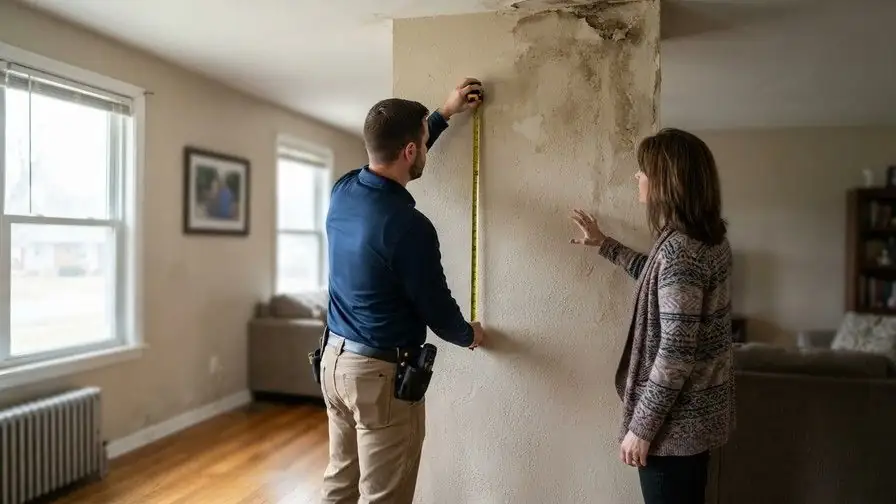
Cost is often the first worry when a homeowner finds mold. Because every house and every mold problem is different, there is no single price that fits all jobs. Understanding what drives the price helps you read an estimate, compare options and plan your budget. This guide explains the main cost factors for remediation in Joplin homes and how to keep the job from growing.
What affects the cost of mold remediation in Joplin?
The cost of mold remediation in Joplin depends on how much area is affected, which materials need removal or cleaning, how easy the space is to reach, how much containment is needed, whether testing is part of the job and how much rebuilding follows. Repairs to the moisture source, such as roof or plumbing work, are usually separate. A provider can give an accurate written estimate only after seeing the house.
The Big Cost Drivers
The size of the affected area is the starting point. A small patch in one bathroom involves far less containment, labor and disposal than mold spread across a finished basement. But size is only part of it. The materials involved matter: cleaning sound framing costs less than tearing out and disposing of drywall, insulation and carpet.
Access is another factor that surprises people. A job in an open basement is simpler than the same amount of growth in a tight crawl space or a steep, cramped attic, where crews move slowly and equipment is harder to set up. The amount of containment needed to protect the rest of the house adds cost too. Finally, rebuilding drywall, insulation and flooring after remediation may be included or may be a separate project with its own price.
Comparing Estimates
If you get more than one estimate, make sure you are comparing the same scope. One estimate may look cheaper because it leaves out containment, drying or rebuilding. When comparing, check that each one covers:
- The same affected areas and approximate square footage
- Containment and air filtration during the work
- Which materials are removed and which are cleaned
- Drying and a final check before rebuilding
- Whether rebuilding is included
- How added work is handled if more growth is found
Ask each provider to explain anything that is unclear. A higher price with a clearer, more complete scope can be a better value than a low number with gaps that show up later as extra charges. Lay the estimates side by side and compare the work areas, the materials removed and the final check.
Keeping the Job Small
The most reliable way to keep remediation costs down is to act quickly. Mold spreads as long as moisture is present, so a problem caught soon after a leak is usually smaller and cheaper to fix. Repairing the water source right away stops the growth from expanding while you arrange cleanup.
Preparation helps too. Clearing furniture and stored items from the work area, if you can do it without disturbing growth, saves crew time. Ask whether testing will change the plan before paying for it. Keep photos and records if you plan to file an insurance claim. And keep up with simple prevention afterward, such as running bathroom fans, cleaning gutters and checking the attic after storms, so you are less likely to face the same bill again.
Planning Your Budget
Mold remediation cost depends on the specifics of your house, so the first step is getting it looked at. Compare estimates carefully, act quickly to keep the job small and fix the moisture source. Our mold remediation cost page explains the factors in more detail, and one call connects you with an independent provider serving Joplin for a written estimate.
Frequently Asked Questions
Why do mold estimates vary so much?
Estimates vary because providers may define the scope differently, include or exclude containment, drying, testing or rebuilding, and judge the extent of hidden growth differently. Compare what each estimate includes rather than just the total. Ask questions about anything that is missing or unclear.
Does insurance pay for mold remediation?
Sometimes. Coverage depends on your policy and the cause. Many policies cover mold that results from a sudden covered event, like a burst pipe, but not mold from long-term leaks or humidity. Talk with your agent, and ask the provider for a written description of the work to support a claim.
Is the cheapest estimate a good choice?
Not always. A low estimate may leave out containment, drying or a final check, which can lead to extra charges or a problem that returns. Compare the scope of each estimate. Choose the one that covers the moisture source, containment, removal, drying and a final check at a fair price.