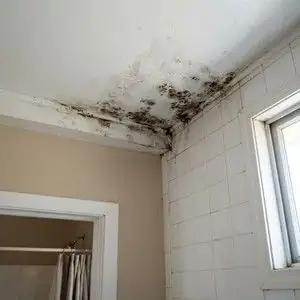
Black mold is one of the most searched mold terms, and seeing dark spots on a wall can be frightening. Many different molds look dark, though, and color by itself does not tell you which type is present or how serious the problem is. What matters is how much is growing, what it is growing on and what is keeping it wet. We connect Joplin homeowners with one independent mold company that handles dark growth the same careful way it handles any mold.
Why Color Is Not the Whole Story
The phrase black mold often refers to one particular species that grows on very wet materials such as drywall and ceiling tiles. Plenty of other common molds are also dark green, gray or black, and some light-colored molds grow in the same places. Without a lab test, there is no reliable way to tell them apart by sight.
That is why most providers do not change their approach based on color alone. Any mold growing inside a house should be removed, and the moisture causing it should be fixed. The size of the area, the materials involved and where the growth sits in the house shape the plan far more than the shade of the spots. If you want to know the exact type for your own peace of mind, ask whether sampling makes sense in your case.
Where Dark Growth Shows Up
Dark mold tends to appear where materials stay wet for long periods. In Joplin houses, common spots include:
- Bathroom ceilings and walls around showers with weak ventilation
- Drywall behind washing machines, dishwashers and refrigerators with water lines
- Window frames and sills where condensation collects in cold weather
- Basement walls and stored boxes after seepage or flooding
- Attic sheathing under a roof leak
When growth appears in one of these places, the first question is what is keeping it wet. A slow drip behind an appliance or a fan that vents into the attic instead of outdoors can keep feeding growth no matter how often the surface is cleaned. The provider traces that source before planning removal. Clean surfaces that turn dark again within weeks are a strong clue that the moisture is still there.
How Dark Mold Is Removed
Removing dark mold follows the same steps as other mold work. The crew stops or controls the moisture, sets up containment if the area is large or the material will be disturbed, and runs filtered air machines. Drywall, insulation and other porous materials with growth are cut out and bagged. Hard surfaces are cleaned and dried.
Avoid scrubbing or bleaching large patches yourself before the visit. Bleach can lighten the color without reaching the growth inside porous materials, and scrubbing can spread spores. If the area is small and on a hard surface like tile, gentle cleaning with soap and water after fixing the moisture may be enough. For anything on drywall or larger than a small patch, let the provider take a look first.
Dealing With Dark Mold in Your Joplin Home
Dark spots on a wall or ceiling are a sign that something has been wet for too long. Before you call, note where the growth is, how big the area looks and whether there has been a leak nearby. We pass that to one independent mold company in Joplin, and they follow up to look at the area and explain their plan.
Frequently Asked Questions
Is black mold more dangerous than other mold?
Any indoor mold growth can affect air quality, and some people are more sensitive than others. Color alone does not tell you which type is present. Rather than focusing on the shade, focus on removing the growth and fixing the moisture. If you have health concerns, talk with your doctor.
Should I test dark mold before removal?
Testing is not always needed when growth is visible and the cause is clear, since removal follows the same steps regardless of type. Some homeowners want to know the species for peace of mind or documentation. Ask the provider whether sampling will change the plan before paying for it.
Can I use bleach on black mold?
Bleach can lighten the color of mold on hard, non-porous surfaces, but it does not reach growth inside drywall, wood or other porous materials. It can also give a false sense that the problem is solved. For anything beyond a small spot on tile, have a provider look at it first.